
In conversation
Vasiliki Vokou speaks with Abby Mangold, Crisis Communications & Media Training Expert at Mangold Consultancy, about why preparation matters more than messaging, how speed has changed the game, and what organisations should be doing before scrutiny hits.
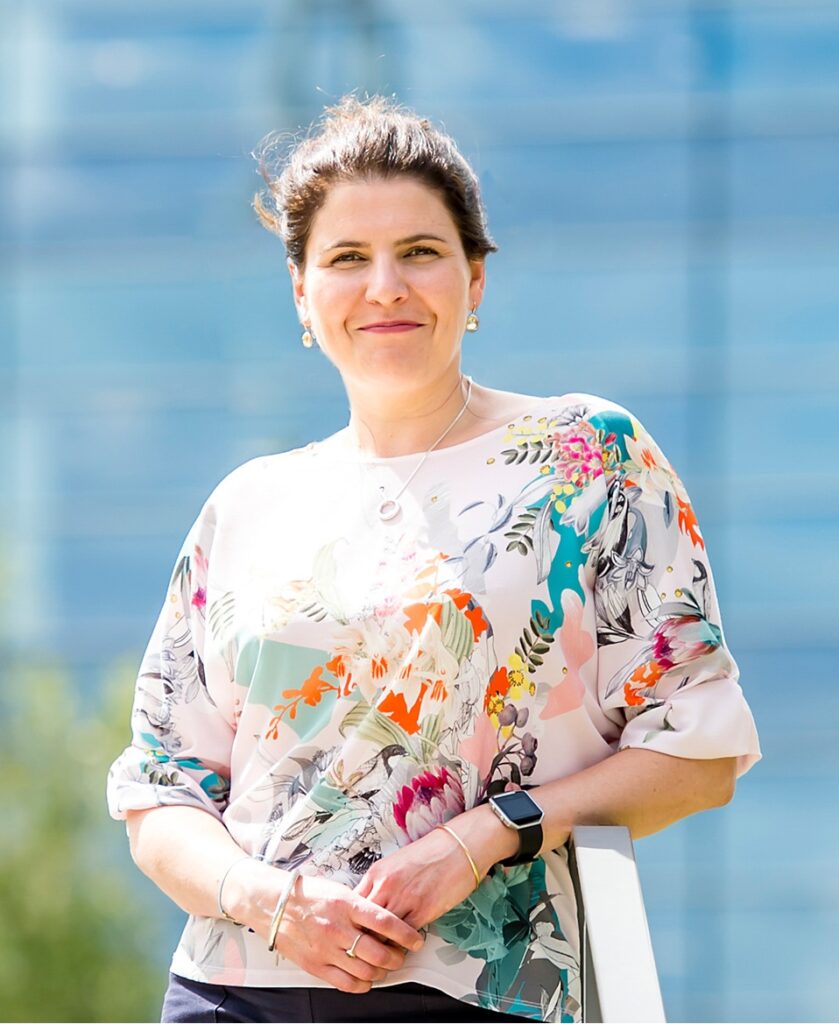
Crisis preparedness, pressure & prevention
You work closely with leaders when things aren’t going to plan. What typically brings organisations to you and what do you wish they’d done earlier?
Usually there’s a sense that something is close. A media enquiry they weren’t expecting. Scrutiny building. Sometimes it’s already public, sometimes still internal — but there’s a feeling of “we need to get ahead of this.”
What I often wish they’d done earlier isn’t just draft statements. It’s thinking about behaviour and decision-making. Who makes decisions under pressure? Who speaks? How comfortable are they saying, “We don’t yet have all the answers”? Crises can feel personal. It’s much easier to work on the response before someone is watching.
How prepared are most organisations when a crisis actually happens and what does ‘being prepared’ really mean in practice?
It still surprises me how many organisations don’t have plans. And even when they do, preparation in practice looks very different from a document sitting on a shelf.
Being prepared is about rehearsal. Leaders testing how they make decisions quickly. Knowing where the team meets, who signs off statements, who owns the social media logins. It’s about understanding how you will behave when things don’t go to plan — not trying to predict every scenario.
What are the most common gaps you see when companies face their first serious issue?
Decision-making clarity. Too many people in the room slows everything down and creates reluctance to take responsibility.
There’s also often too much focus on wording, and not enough on audience or delivery. I tell clients: say the statement out loud. If it doesn’t sound convincing when you say it, it won’t land in writing either.
How have social media and the 24/7 news cycle changed the way crises unfold?
Fifteen years ago, companies might have had days to respond. Now it’s minutes. People don’t expect all the answers immediately, but they do expect acknowledgement.
Silence is a decision in itself. It can be strategic, but it sends a message. Social media has shortened the distance between internal discussion and public debate. That’s why preparation matters — it becomes muscle memory.
Speed helps, but judgement still matters more. I always say: respond quickly, but don’t panic.
If an organisation wanted to be genuinely crisis-ready, what should leaders be doing now?
Practise.
That can be as simple as spending half an hour asking, “What would we do if…?” Or it can be a full crisis simulation with live media scenarios and social feeds.
The goal isn’t to predict everything. It’s to build confidence, clarity and calm before the pressure hits.

- 2026, January, Newsletters, Out and about

- 2026, January, Liminal view, Newsletters