
In conversation
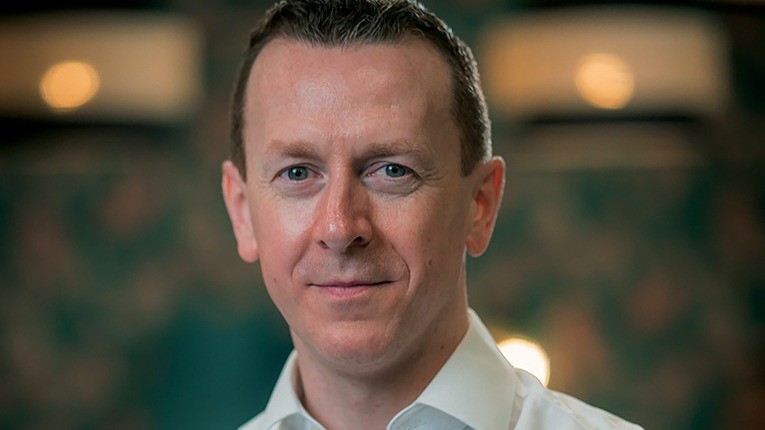
Vasiliki Vokou speaks with Joe McGrath, Founder of Rhotic Media, about why US financial services marketers approach the role differently, why technical expertise is becoming a competitive advantage, and how communications leaders need to evolve as AI reshapes the industry.
In your recent article, you described US financial services CMOs as "a different breed". What stood out most after speaking with so many marketing leaders?
The biggest difference is where they start from.
In the UK, many marketing leaders naturally approach the role through the discipline they came from, whether that’s PR, advertising or public affairs. In the US, the conversation almost always starts with business strategy.
The CMOs I spoke to weren’t simply executing campaigns. They were involved in board-level discussions from the outset, helping shape commercial priorities before communications plans were developed. That fundamentally changes how they think about marketing and how closely it aligns with the wider business.
You also spoke about how technically strong many US CMOs are. How important is it for marketing leaders to understand the business beyond communications?
It’s absolutely essential.
If you’re in a senior marketing role, understanding communications alone isn’t enough. You need to understand your products, your competitors, your customers and the wider market forces shaping your business.
One thing that really struck me was the depth of technical knowledge. Many US CMOs could comfortably move into product, sales or strategy discussions because they understand the business at that level. That’s something I think more marketers should aspire to.
You highlighted how closely marketing, PR and investor relations work together in many US firms. Why is that important?
Because consistency matters.
Investor relations, marketing and communications all influence how a business is perceived, so they shouldn’t operate in isolation. The strongest organisations have a joined-up communications strategy where every stakeholder hears the same story.
When those functions become siloed, companies often find themselves reacting to issues rather than shaping the narrative proactively. Communications shouldn’t be an afterthought; it should be embedded in how organisations make decisions and engage with every audience.
AI and generative search featured heavily in your article. What changes do you think will have the biggest impact on financial services marketing over the next few years?
Everyone is talking about AI, but I think trust is the bigger story.
Large language models increasingly rely on credible, authoritative sources, which makes high-quality earned media even more valuable. That raises the importance of strong media relationships and well-prepared spokespeople who can communicate consistently under scrutiny.
At the same time, marketing leaders need to think beyond AI itself. Technologies such as digital assets, changes in market infrastructure and even quantum computing will reshape financial services over the coming years. Understanding how those developments affect the business will become just as important as understanding the latest marketing tools.
Having compared Europe and the US so closely, is there anything European marketers do particularly well?
I love how Europe approaches events.
We tend to blend networking, education, relationship-building and business development into the same experience. It’s a more holistic approach that creates genuine conversations and stronger long-term relationships.
US events are often more tightly focused around a single objective, which has its own strengths. But I think Europe has built a culture where business relationships develop more naturally, and that’s something worth preserving.
What do you think will define the next generation of successful financial services CMOs?
I think we’ll increasingly see CMOs progressing into CEO roles.
Technology is giving marketers access to deeper commercial insight than ever before, from measuring ROI to understanding sector trends and changing customer behaviour. That means the role is becoming far more strategic and entrepreneurial.
The most successful CMOs won’t simply be campaign leaders. They’ll be business leaders who understand finance, operations, products and risk just as well as they understand communications. Technology will help accelerate that shift, but it will also raise expectations of what the role can contribute.
Do you think organisations should continue treating marketing and communications as separate functions?
Personally, I think the future is much more integrated.
Marketing and communications ultimately exist to do two things: grow the business and protect the business. Having one board-level leader responsible for both creates better alignment and ensures they have visibility of customer feedback, investor sentiment and strategic decision-making.
There will always be different specialisms underneath that leadership, but I think bringing them together creates a much stronger function that’s better equipped to shape where a business goes next.

- 2026, May, Newsletters, View from

- 2026, May, Newsletters, Out and about

- In conversation, May, Newsletters